A two-color cap looks premium — a crisp black-and-white flip top, a cosmetic lid with a colored skirt and a contrasting knob. But behind that look sits a two-shot mold and a two-color injection machine, and both carry a price tag that stops many good projects before they start. At Haisenbo we have spent 20+ years building a quieter alternative: assemble two separately molded single-color parts into the same two-color cap. The appearance matches. The tooling cost drops sharply. And you run it on the standard injection machines you already own.
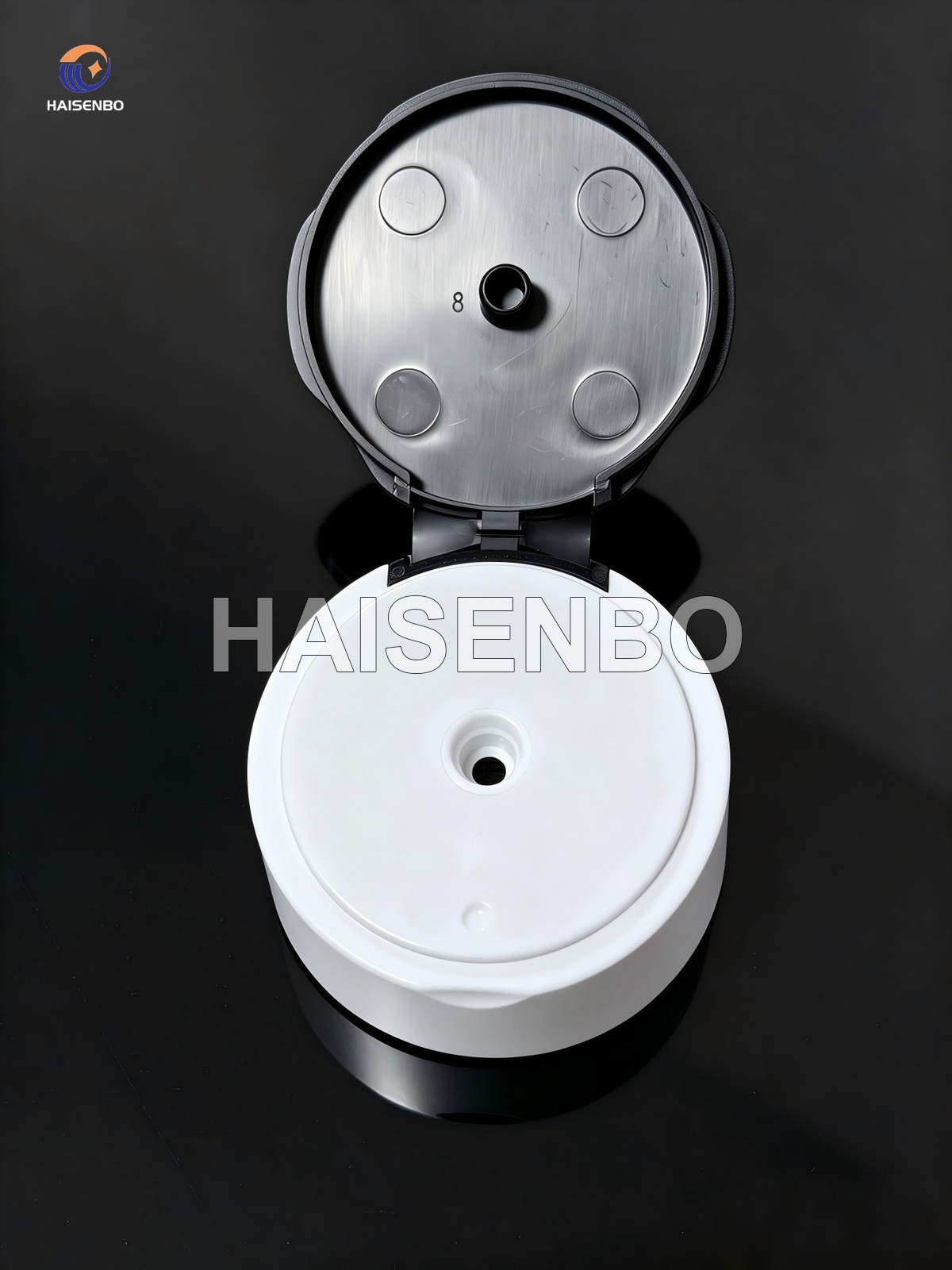
1. The Hidden Cost of Two-Color (2K) Molding
Two-shot (2K) molding produces a genuine two-color part in a single process. It is an elegant solution — but the elegance is paid for on two fronts:
- The mold is complex and expensive. A two-shot tool needs two injection units, a rotating or indexing core, and precise alignment between the two cavities. Tooling typically costs 2–3× a comparable single-cavity mold, and lead time is longer.
- The machine is a specialist purchase. Two-color parts require a rotary or index-plate injection molding machine. That machine costs 50–100% more than a standard press of the same clamp tonnage, and it ties up a dedicated, lower-utilization asset.
- Design changes are costly. Every color split or wall-thickness tweak means reworking an expensive, multi-injection tool.
The blunt truth: for a brand that needs a premium two-color look but runs small-to-mid batches, or carries many SKUs, a two-shot tool-plus-machine investment is often hard to justify — and sometimes simply out of reach.
2. Why So Many Buyers Step Back
We hear the same story repeatedly. A buyer wants the two-color aesthetic for a new cosmetic lid, a premium flip top, or a limited-edition closure. The quote comes back with a two-shot mold and a two-color machine requirement — and the project stalls.
In the market, this part goes by many names. Some buyers search for a double color cap mold, others for a two color cap mold or a two-shot cap — but they all want the same premium two-color look without the heavy investment.
- The up-front tooling is larger than the pilot budget allows.
- They do not own a two-color machine and do not want to buy one for one product.
- They have several color combinations and cannot afford a two-shot tool per variant.
- They need to test the market before committing to a heavy capital outlay.
None of these are reasons to give up on the two-color look. They are reasons to choose a different production route.
3. The Haisenbo Alternative: Two-Color Assembly Caps
For more than two decades we have produced two-color assembly caps for customers who wanted the premium appearance without the two-shot cost. The principle is simple: mold each component in a single color on a standard machine, then assemble them into a finished cap whose visible result is indistinguishable from a two-shot part.
Whatever you call it — a double color cap mold, a two color cap mold, or a two-shot cap — the buyer sees one seamless two-color closure. Our job is to deliver that look on a standard machine at a fraction of the tooling cost.
We have shipped this solution across two of the most common cap families:
- Flip top caps — a colored base and a contrasting lid, snapped or hinged together.
- Cosmetic caps & closures — a colored skirt with a contrasting knob or decorative ring, assembled after molding.
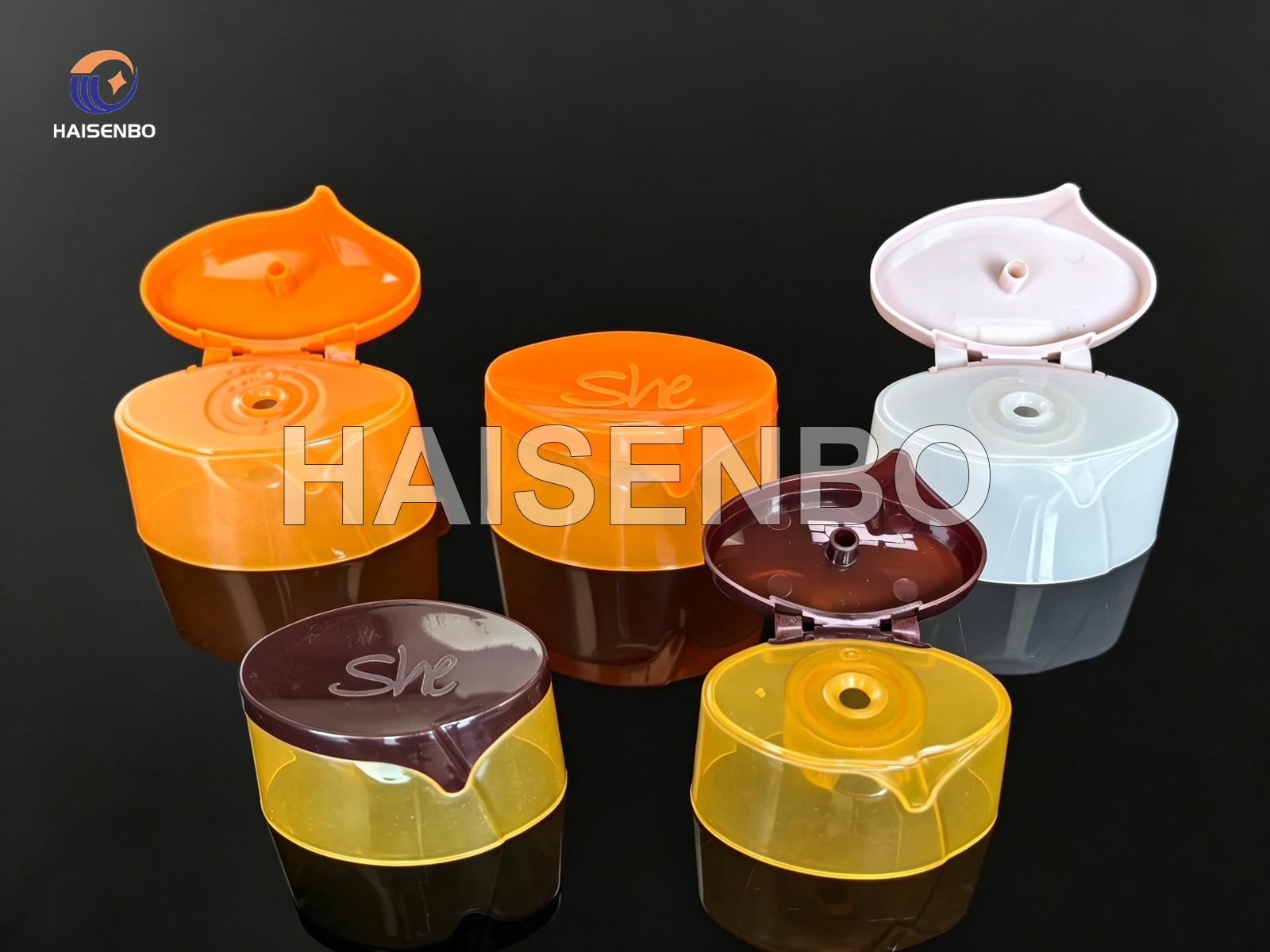
4. How Assembly Reaches the Same Two-Color Look
The trick is that the eye sees the finished cap, not the process behind it. By designing the part as two cleanly separable components — each molded in one color — the assembly step recreates the two-tone appearance:
- Flip tops: the base and the lid are molded separately (e.g., white base, black lid), then joined by the living hinge or a snap fit. The seam is the same place a two-shot part hides its color boundary.
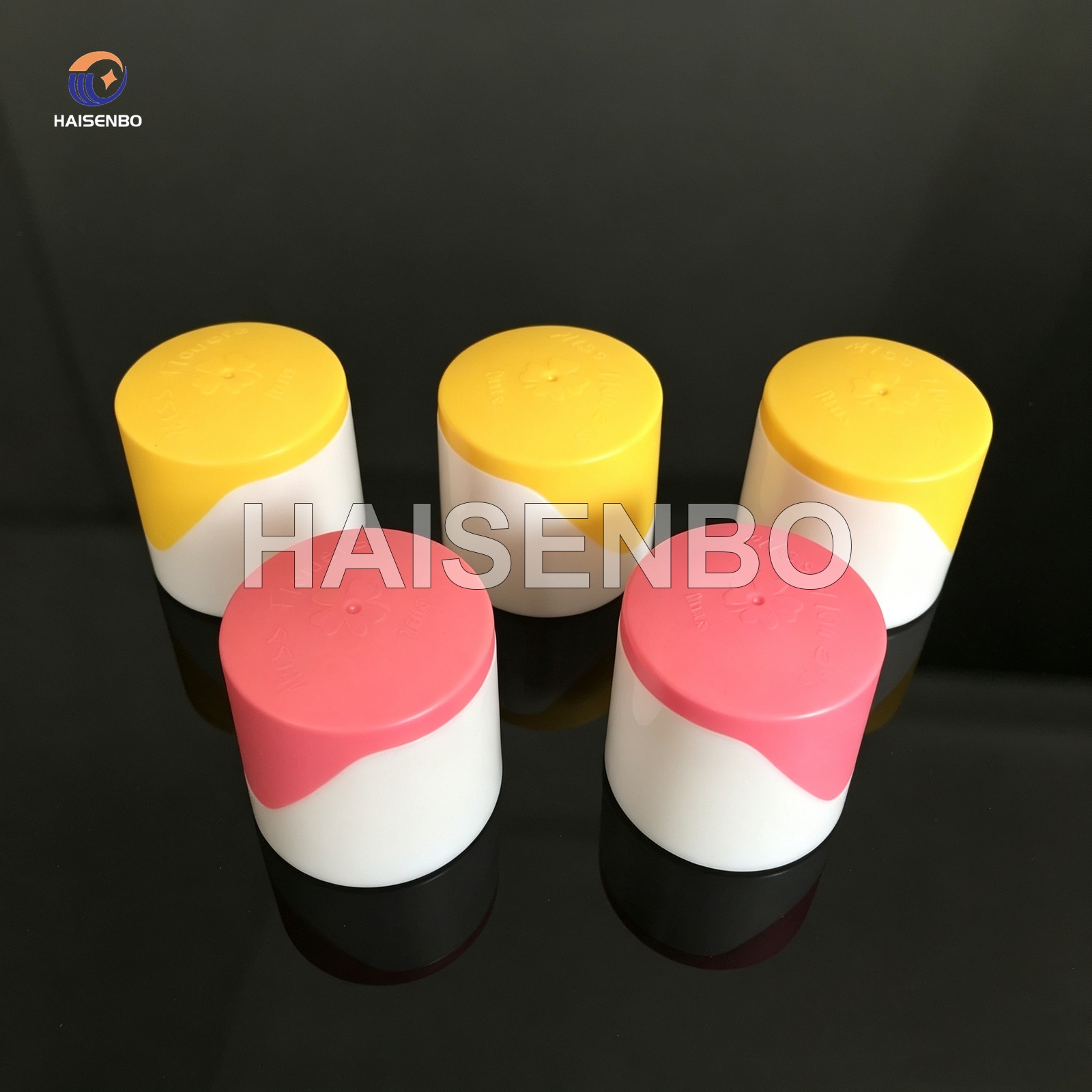
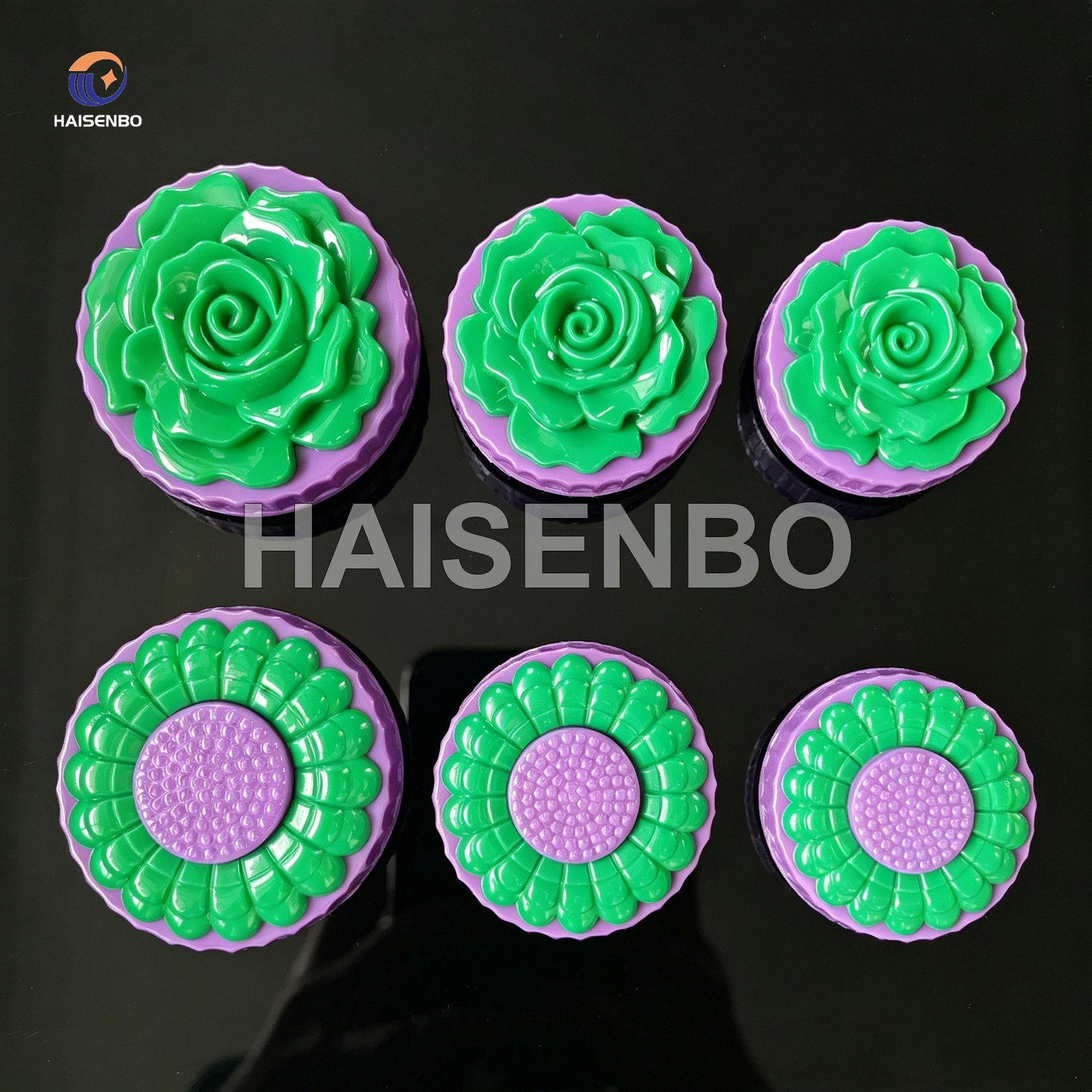
- Cosmetic caps: the skirt and the top knob / decorative ring are molded in different colors and assembled, producing the same contrast a two-shot tool would deliver.
The result looks like a two-color part because, visually, it is one. What changes is only how the two colors got there.
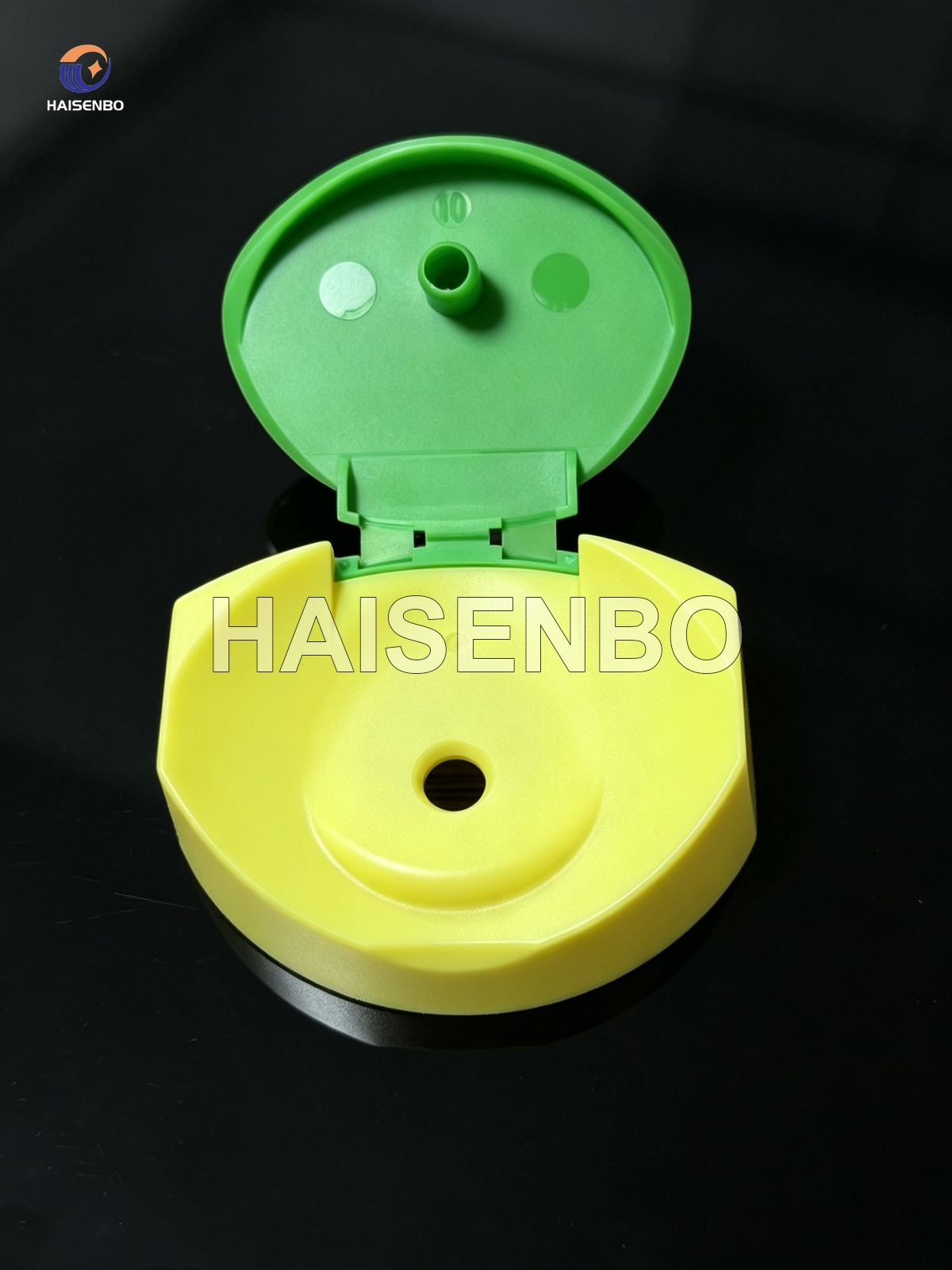
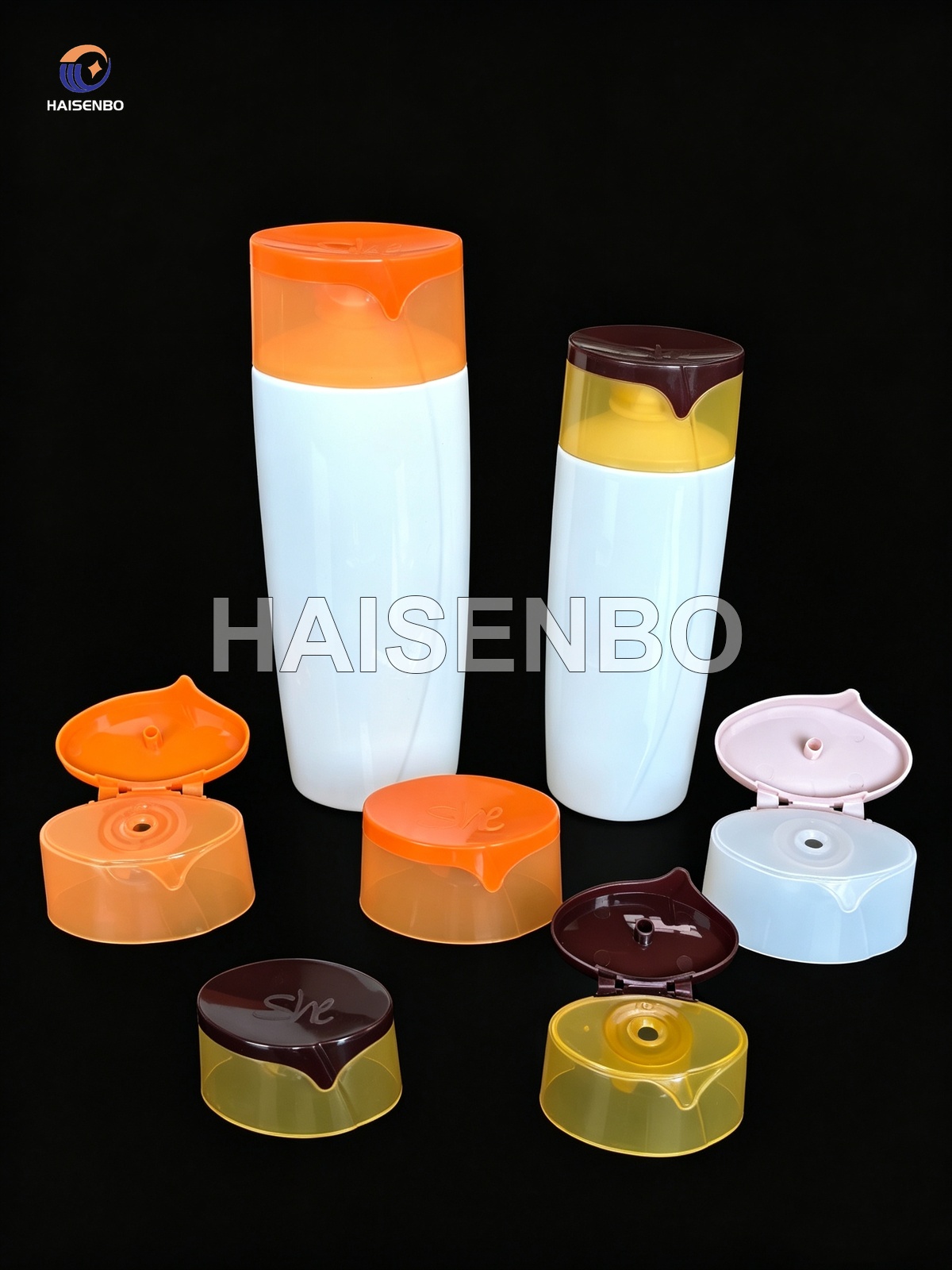
5. Standard Machines, Far Lower Tooling Cost
Because each component is a normal single-color part, the whole program runs on standard injection molding machines — the kind most factories already have. No rotary two-color press, no dual-injection mold. You simply tool two straightforward single-color molds and assemble.
| Factor | Two-shot molding | Two-color assembly |
|---|---|---|
| Mold complexity & cost | 2–3× single-color tool, dual injection | Two simple single-color molds, total lower |
| Machine required | Rotary / index two-color IMM | Standard IMM (already owned) |
| Color change / new SKU | Re-tool expensive mold | Swap one component color, low cost |
| Best for | Very high, stable volume | Small–mid volume, many color SKUs |
| Capital outlay | High (tool + machine) | Low (tool only, on existing machines) |
Bottom line: the assembly route typically cuts the tooling investment to a fraction of a two-shot program — sometimes a third or less — while keeping the exact two-color appearance your brand wants.
6. Real Cases from 20+ Years
Assembly two-color caps are not a compromise we invented for one customer. They are a workhorse we have refined across hundreds of projects — cylindrical jars, decorative cosmetic closures, and seasonal limited editions alike.
7. Is Assembly Right for Your Project?
Two-color assembly is the stronger choice when:
- You want the premium two-color look without buying a two-color machine.
- Your volume is small-to-mid, or spread across many color variants.
- You need to validate the market before a heavy tooling commitment.
- You already run standard injection machines and want to use them.
Two-shot molding still wins at very high, stable volumes where the per-part cycle saving eventually offsets the tooling. But for the majority of brands we meet, assembly delivers the look they want at a cost they can actually approve.
With 30+ years and 10,000+ molds delivered to 60+ countries, Haisenbo builds flip top cap molds, cosmetic packaging molds and high precision injection molds as production tools — including two-color assembly programs that match a two-shot appearance at a fraction of the investment. See our factory or browse all products.
If you are weighing a two-color cap and the two-shot quote looks heavy, send us your cap drawing or a reference sample and target volume — we will propose an assembly-based route, confirm the visual match, and return a quote within 24 hours.