A cap looks simple — until it leaks, jams the capper, or fails the torque gauge on a customer's line. The mold behind it is anything but simple. This guide covers the four decisions that decide whether your closures run clean and sealed: thread tolerance, gate type, cavity count and mold steel — and how a true high precision injection mold is built differently from a catalogue part.
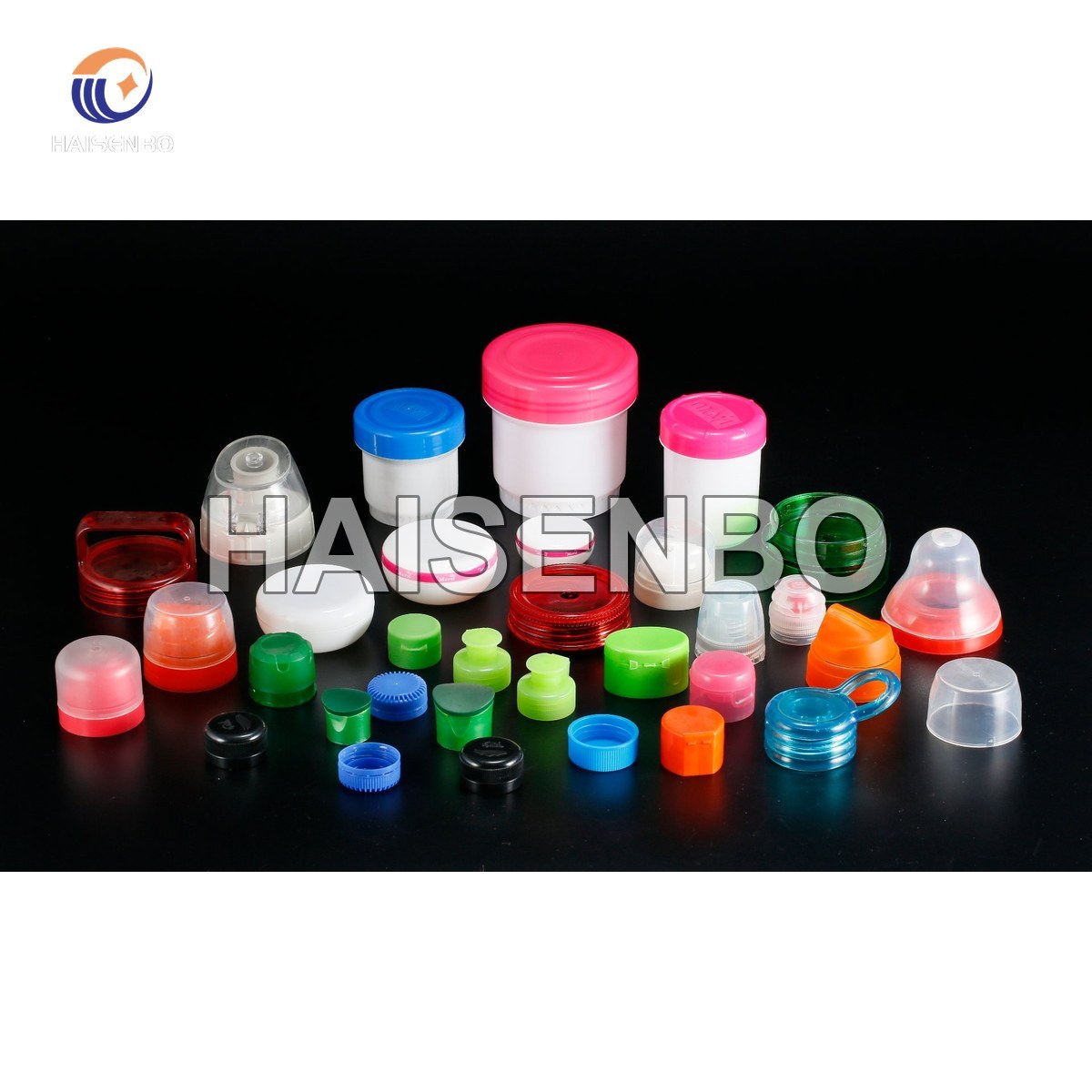
1. Thread Precision: The Difference Between "Seals" and "Leaks"
For a bottle cap, the thread is the product. If the internal thread is off by a few hundredths of a millimetre, the cap either cross-threads onto the bottle neck or seals loosely and leaks on the shelf. That is why thread tolerance is the first spec we lock down.
We CNC-machine the thread cores and verify every cavity on a CMM, holding critical dimensions to ±0.01 mm. That tight control is what lets caps from any cavity fit any bottle neck, shift after shift, without leak or jam complaints downstream.
- Leak-free sealing — consistent thread and land height keep torque within spec.
- Cross-compatibility — caps mate with standard 28 / 30 / 38 mm necks and custom sizes.
- Tamper evidence — precise break-ring and hinge geometry so the band snaps cleanly.
- capper uptime — uniform caps mean no line stops for misfeeds.
Buyer tip: ask any supplier for a written thread-tolerance value and a CMM report on the actual tool — not a generic catalogue tolerance. If they cannot produce one, the thread is the risk.
2. Gate Type & Hot Runner: Where Flash and Cycle Time Live
How the melt enters each cavity decides both part quality and how fast you run. A high precision injection mold uses a balanced hot-runner manifold with valve or open gates so every cavity fills evenly, with clean gate marks and no stringing or flash.
What that buys you in production:
| Gate approach | Result | Best for |
|---|---|---|
| Balanced valve-gate hot runner | Flash-free, clean gate, even fill | High-speed water / CSD / oil caps |
| Open hot runner | Good quality, simpler maintenance | Standard screw caps, R&D |
| Cold runner (3-plate) | Lower tool cost, sprue to recycle | Low-volume, custom shapes |
With optimized cooling and ejection, our cap molds reach cycle times of 8–14 seconds on high-output lines. If a supplier cannot name their hot-runner brand, gate type and cavity-to-cavity weight variation, treat it as a red flag — that is exactly where flash, short shots and inconsistent weight come from.
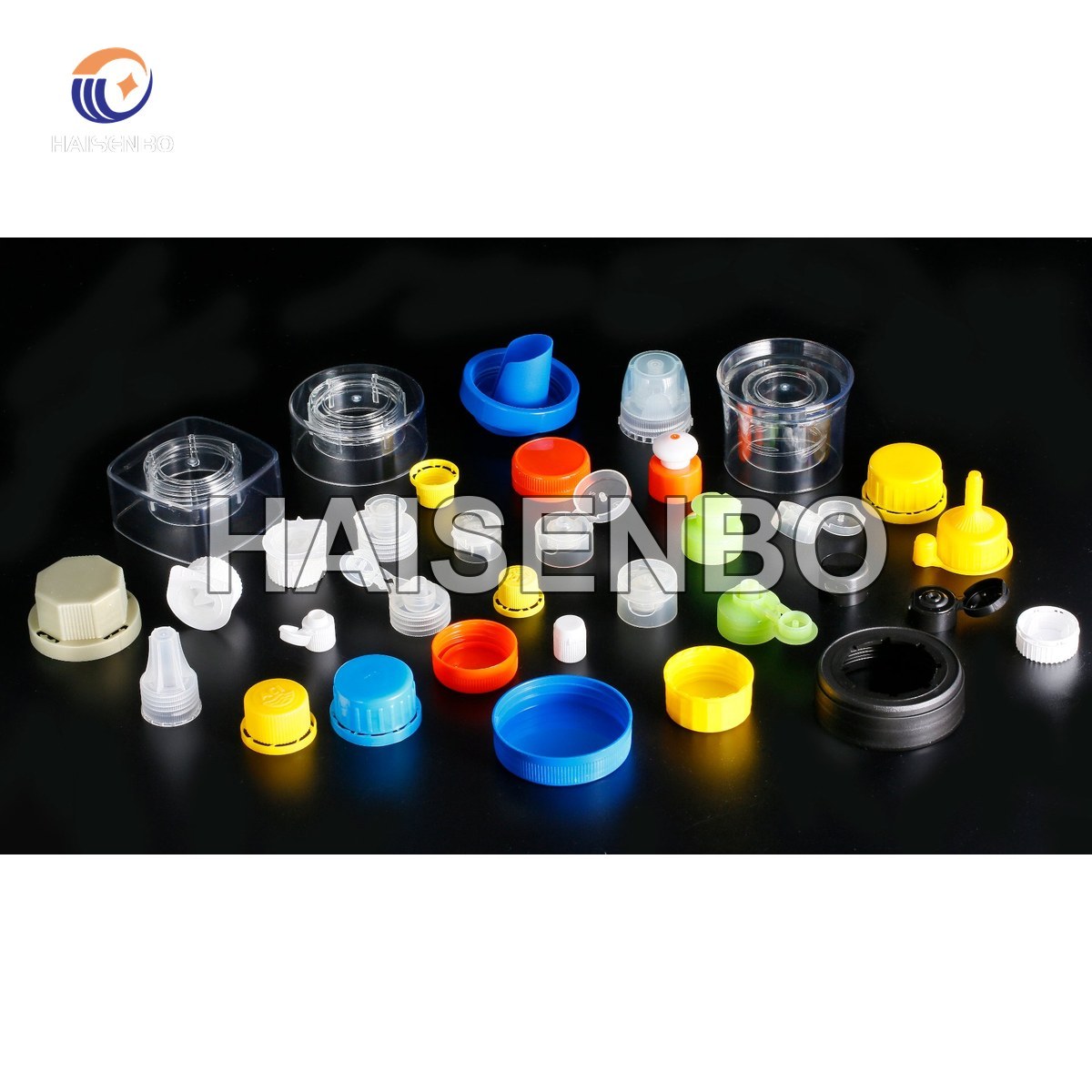
3. Cavity Count: Scale to Your Line, Not the Brochure
Cavity count sets how many caps you make per cycle. More cavities means more output per machine — but also a larger, pricier mold and higher demands on your injection machine's clamp force and plasticizing rate.
| Production profile | Typical cavities | Typical use |
|---|---|---|
| Sampling / R&D | 8 – 16 | Prototype caps, market tests |
| Regional bottler | 24 – 48 | Water, edible oil, dairy |
| National brand lines | 64 – 96 | High-speed CSD & water |
Our cap and closure molds run from compact 8-cavity development tools up to 96-cavity high-speed lines on one proven platform — screw caps, flip-top caps, dispensing caps and tamper-evident closures alike. A multi-cavity injection mold only pays off when your upstream drying, machine tonnage and cooling water are ready for it; we size the tool to your real line rather than a sales number.
Rule of thumb: pick the smallest cavity count that meets your required output with ~15% headroom. Over-cavitating is the #1 reason a buyer ends up with a mold their machine cannot run efficiently.
4. Material: Resin and Mold Steel
Two "materials" decide a cap program — the plastic you mold and the steel your mold is cut from.
Cap resin
Most closures are PP or PE (sometimes PC / ABS for specialty dispensing caps). The mold must handle the resin's flow and shrinkage behaviour and keep gate vestige minimal — which is why a balanced hot runner and polished, wear-resistant steel matter more than people expect.
Mold steel
This is where cheap tools and high precision injection molds diverge. Low-cost molds use general-purpose steel that wears and corrodes; thread cores drift out of tolerance within months. We machine cores and cavities from S136H / 2344, nitride-harden the wear surfaces, and use beryllium-copper inserts where heat dissipation matters.
| Component | Typical steel | Why it matters |
|---|---|---|
| Cavity & thread core | S136H / 2344 | Wear & corrosion resistance, polishability |
| Slide & wear parts | Nitrided / beryllium copper | Friction, heat dissipation |
| Structural plates | P20 / 4140 | Stability under clamp force |
Result: our cap molds are rated for 5,000,000+ shots — the difference between a tool you replace and a tool you rely on for years of production.

5. A Quick Buyer's Checklist
- Thread first: demand a written ± value and a CMM report on the actual tool.
- Gate type: confirm valve- or open-gate hot runner and cavity balance.
- Cavity count: size to real output + 15% headroom.
- Steel grade: insist on S136H / 2344 for thread cores and cavities.
- Neck compatibility: match 28 / 30 / 38 mm or your custom neck.
- Support: pick a maker with trial reports, spare cores and after-sales.
With 30+ years and 10,000+ molds delivered to 60+ countries, Haisenbo builds cap and closure molds and high precision injection molds as production tools — not catalogue parts. See our factory or browse all products.
Choosing well up front is cheaper than fixing a leaking cap program later. If you want a second opinion on cavity count, gate type or steel for your specific closure, reach out for a free quote — our engineers usually respond within 24 hours.