A mold is the most expensive small part of your production line — and the one that decides whether every part after it is good or scrap. Choosing the right injection mold manufacturer is less about who quotes lowest and more about who controls the variables that determine tool life, tolerance and cycle time. This guide covers the seven things that actually separate a capable custom injection mold maker from a reseller.

1. Start With the Part, Not the Catalogue
Before you email a single supplier, lock down your own spec. A serious injection mold manufacturer will ask for it anyway, and the clearer you are, the tighter their quote:
- Resin: PET, PP, PE, PS, ABS, PC, medical-grade or food-grade? Each demands different steel, venting and drying.
- Annual volume: this sets cavity count and whether you need a high-speed hot-runner platform.
- Critical dimensions & tolerance: neck finish, thread, wall thickness, sealing surfaces.
- Machine interface: platen size, clamp force, injection unit, ejection pattern.
- Regulatory: food contact (FDA/EC), pharmaceutical (GMP), or cosmetic compliance.
Tip: send the 3D model (STEP/IGES) and a 2D drawing with tolerances. Suppliers who quote from a photo alone are guessing — and you pay for their guesses later.
2. In-House Machining vs Trading Company
The single biggest predictor of mold quality is whether the shop cuts its own steel. A custom injection mold China factory with in-house CNC, EDM, grinding and CMM controls every tolerance; a trading company subcontracts and prays.
| Capability | In-house manufacturer | Trading company |
|---|---|---|
| Tool path & tolerance control | Direct, on the floor | Handed to a 3rd party |
| Change lead time | Hours–days | Weeks |
| CMM verification | Own lab, on demand | Outsourced if at all |
| Spares & rework | Kept in house | Re-order from vendor |
| Liability | One accountable party | Blame passed around |
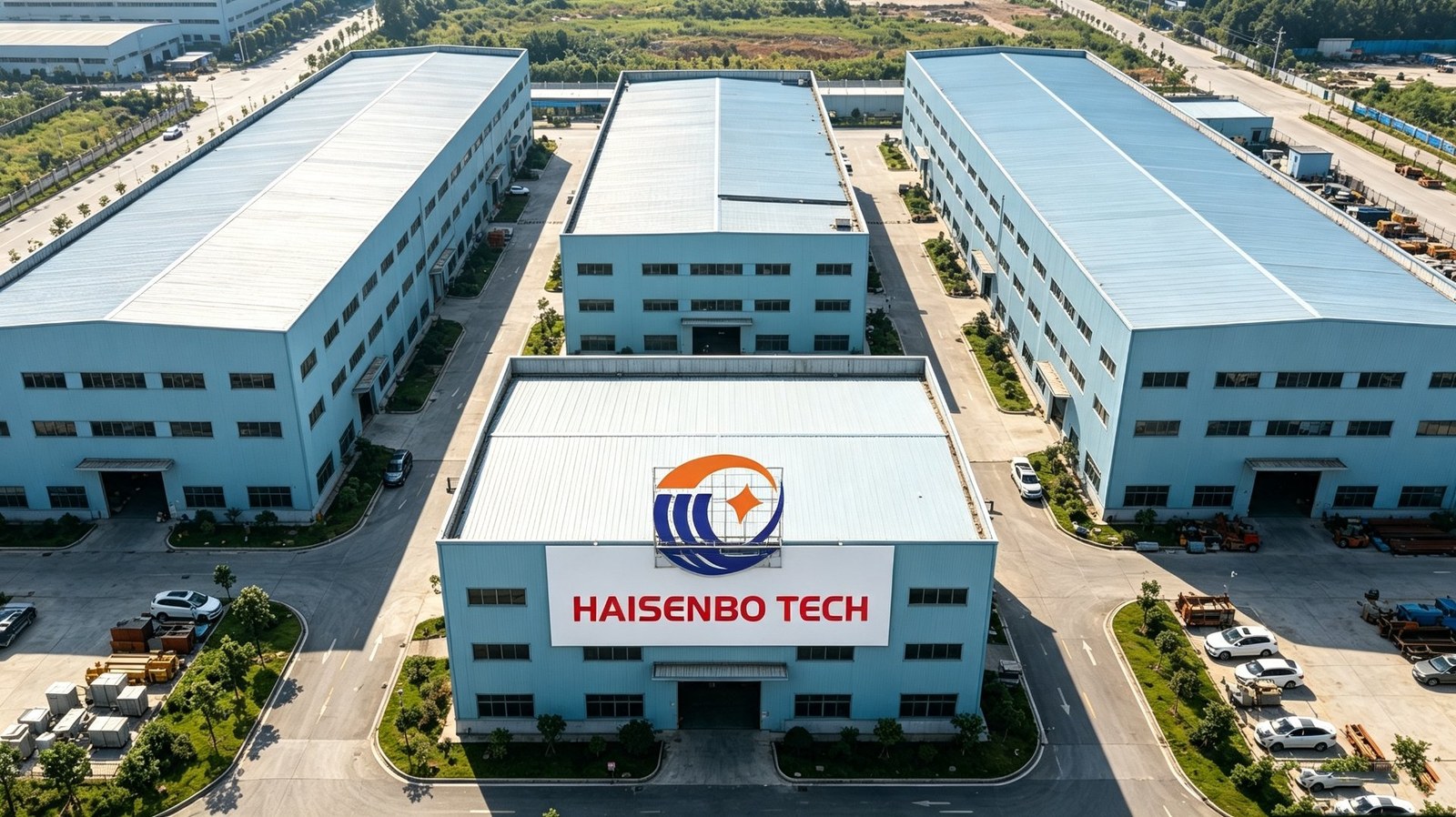
3. Steel Grade & Heat Treatment
This is where cheap tools and serious ones diverge. Budget molds use general-purpose steel that wears and drifts out of tolerance within months. We cut cores and cavities from S136H / 2344 (or customer-specified alloys) and heat-treat for long service life.
| Component | Typical steel | Why it matters |
|---|---|---|
| Cavity & core | S136H / 2344 | Wear resistance, polishability |
| Slide & wear parts | Nitrided / beryllium copper | Heat dissipation, friction |
| Structural plates | P20 / 4140 | Stability under clamp force |
Haisenbo molds are rated for 3,000,000+ shots — the difference between a tool you replace and a tool you rely on for years.
4. Tolerance & CMM Verification
A number on a drawing means nothing without measurement. Ask every candidate for their verification method. We control critical dimensions to ±0.005 mm using CNC-machined cores/cavities and a CMM (coordinate measuring machine) report you can keep on file.
What tight tolerance buys you: consistent part weight, uniform wall thickness, accurate threads that seal first time, and interchangeability across cavities. These are the quiet drivers of low scrap rate.
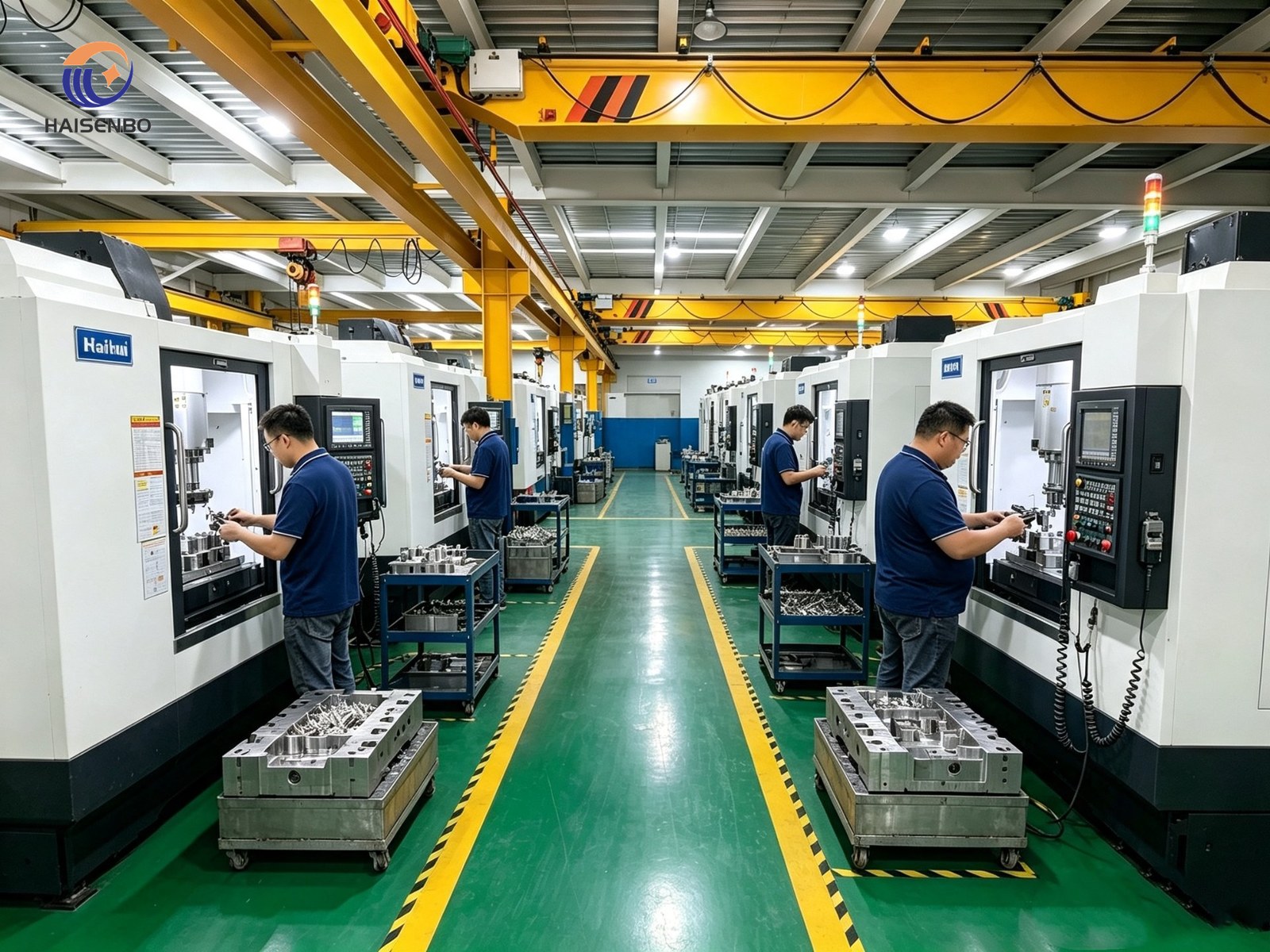
5. Hot Runner & Cavity Balance
A balanced hot-runner with valve gates is what lets a modern high precision injection mold deliver clean gate marks with no stringing and even fill across all cavities. If a supplier cannot tell you their hot-runner brand, gate type and cavity-to-cavity weight variation, treat it as a red flag.
6. Trial, Sample & Documentation
A credible injection mold manufacturer ships more than a crate. Expect:
- A trial run with short-shot and full-shot samples.
- A dimensional report (CMM) against your drawing.
- Mold drawings, steel certificates and spare-part list for future maintenance.
- Cycle-time and defect data from the trial.
7. After-Sales, Spares & Communication
Molds need service. Pick a maker who keeps spares, responds quickly, and has engineers who speak your language (literally and technically). With 30+ years and 10,000+ molds delivered to 60+ countries, Haisenbo treats support as part of the product.
Red-flag checklist — walk away if a supplier:
- Quotes from a photo with no drawing.
- Can't name their hot-runner brand or cavity balance.
- Won't provide a written tolerance or CMM report.
- Has no in-house machining (just resells).
- Gives a price with no question about resin, volume or machine.
Choosing well up front is cheaper than fixing a bad mold later. If you want a second opinion on steel, cavity count or tolerance for your specific part, reach out for a free quote — our engineers usually respond within 24 hours.