A complete PET bottle line needs three tools: a preform mold, a cap mold, and a bottle blow mold. Most buyers source them from two or three different mold shops, compare three quotes and pick the cheapest in each category. Per mold, that often looks cheaper. For the project as a whole, it usually isn't — and the extra cost shows up in exactly the places nobody quotes for: matching, shipping and troubleshooting. Here is what actually happens when the order is split, and what to ask before you decide.

1. Three Suppliers, Three Sets of Tolerances
The preform, the cap and the blown bottle are not three independent products. The cap screws onto the preform's neck finish; the preform stretches into the blow mold's cavity. Every thread dimension, every sealing surface and every neck height has to line up — within a few hundredths of a millimetre.
When three suppliers build those tools separately, each one works to the same drawing but to their own machining reality. The preform shop holds thread diameter toward the lower limit; the cap shop holds theirs toward the upper limit. Both parts are individually "in tolerance". Put them together and the fit is wrong: a cap that leaks, or a closure that needs excessive torque to seal.
With one supplier, all three tools are built against one engineering standard, on the same machining and inspection baseline. The neck finish on the preform mold and the thread on the cap mold are designed as a matched pair from day one, so the parts meet in the middle of the tolerance band — where they should.
2. The Hidden Costs of Splitting the Order
The price gap between quotes is visible. These costs are not:
| Cost driver | Three suppliers | One supplier |
|---|---|---|
| Shipping & customs | Three export cycles, three freight bookings, three rounds of customs clearance — delays stack | One consolidated shipment |
| Purchasing overhead | Three POs, three payments, three sets of bank / LC fees | One PO, one payment |
| Engineering communication | Three contact windows, three quoting cycles, answers you must reconcile yourself | One engineering team, one answer |
| Sample matching | Each shop sends samples separately; you discover the mismatch | Matched samples checked together before shipping |
| Trial troubleshooting | Blame travels in a circle — nobody owns the interface | One supplier owns the whole fit-up |
None of these lines appear on a quotation. But import cycles alone — three separate shipments of steel tooling, each with freight, clearance and inland handling — routinely erase the per-mold saving that made the split look attractive.
The rule of thumb: the cheaper a mold quote looks in isolation, the more of its real cost has been moved somewhere else — usually onto your project timeline.
3. Who Fixes It When It Doesn't Match?
This is the question most buyers never ask until it's too late. The line is down, caps are leaking, and you're on a call with two — or three — mold shops. The preform supplier measures his thread: in spec. The cap supplier measures hers: in spec. Everyone is right, the parts still don't seal, and each shop's proposed fix requires the other shop to change his tool. You, the buyer, are left engineering the interface between them — a job you paid them to do.
When one supplier built both tools, that conversation cannot happen. There is one number to call, one engineering team that holds both records, and one company whose interest is making the pair work — not defending its half of the tolerance.
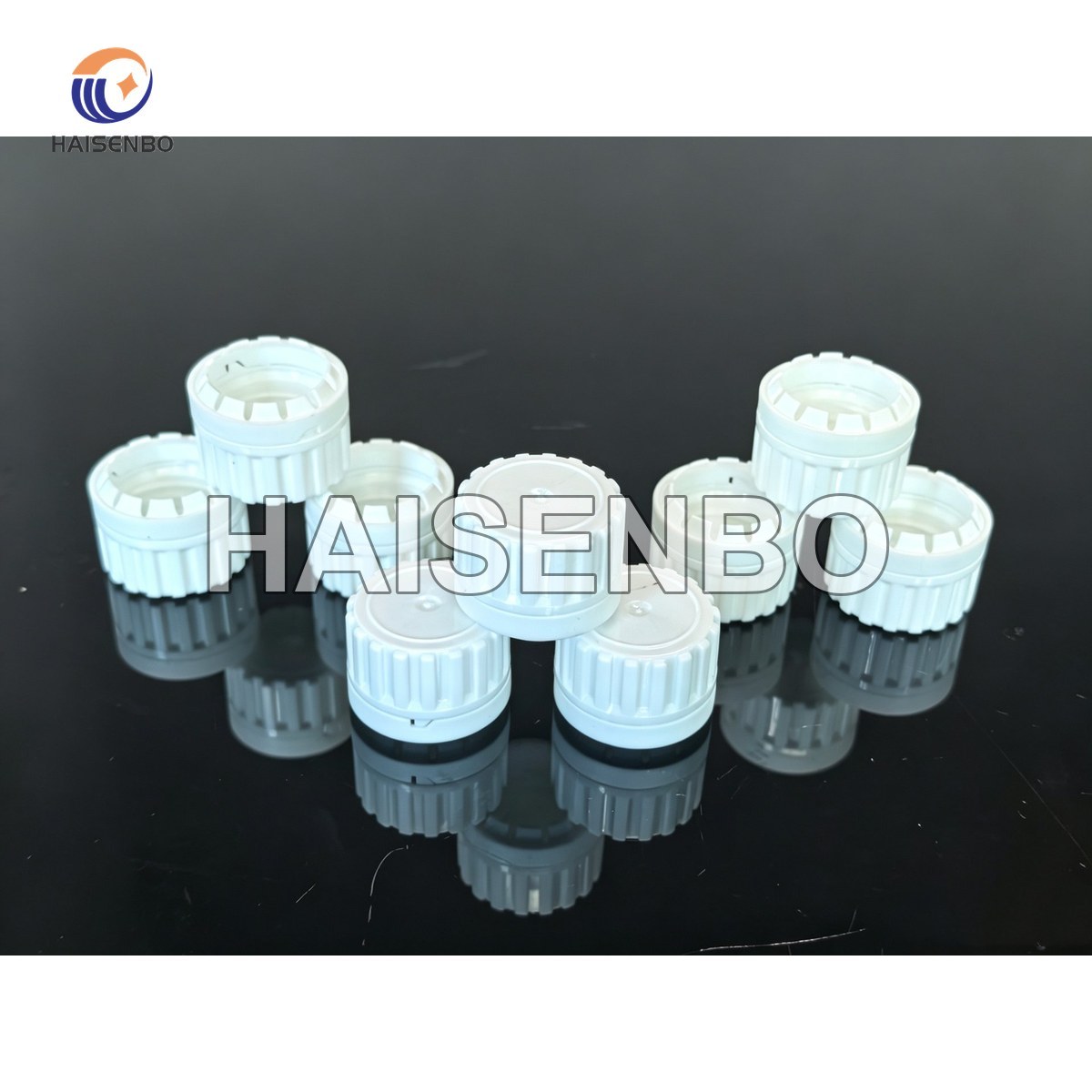
4. What One-Supplier Sourcing Looks Like in Practice
Haisenbo has built preform, cap and blow molds under one roof since 1996, so the workflow is straightforward:
- One DFM review covering all three tools — draft, gate position, steel and cycle time agreed as a package, not tool by tool.
- A matched neck finish spec that both the preform mold and the cap mold are cut to, checked on the same CMM.
- Combined pre-shipment check — cap samples are tried on preform samples before anything ships, not on your filling line after.
- One shipment, one contact — a single PO covers the tooling package; spare parts and maintenance for all three tools come from one archive.
5. Five Questions to Ask Before You Split an Order
If you do split the order — sometimes there are good reasons to — ask every supplier:
- Which neck finish standard am I specifying, and will all three shops cut to the same revision of it?
- Who holds the matched pair of drawings — preform and cap — and who checks them against each other?
- Who tries the cap on the preform before shipment, and who pays if it doesn't fit?
- Can the three tools be shipped together, or will I absorb three freight and clearance cycles?
- When something goes wrong at trial, which single company is accountable for the interface?
If nobody can answer the last question cleanly, that is your answer.