Buying a PET preform mold is not just "pick a picture and pay." The wrong cavity count wastes floor space; the wrong steel shortens tool life; loose tolerance ruins every bottle downstream. This guide walks through the three decisions that matter most — and how a genuine high precision injection mold is different from a cheap one.
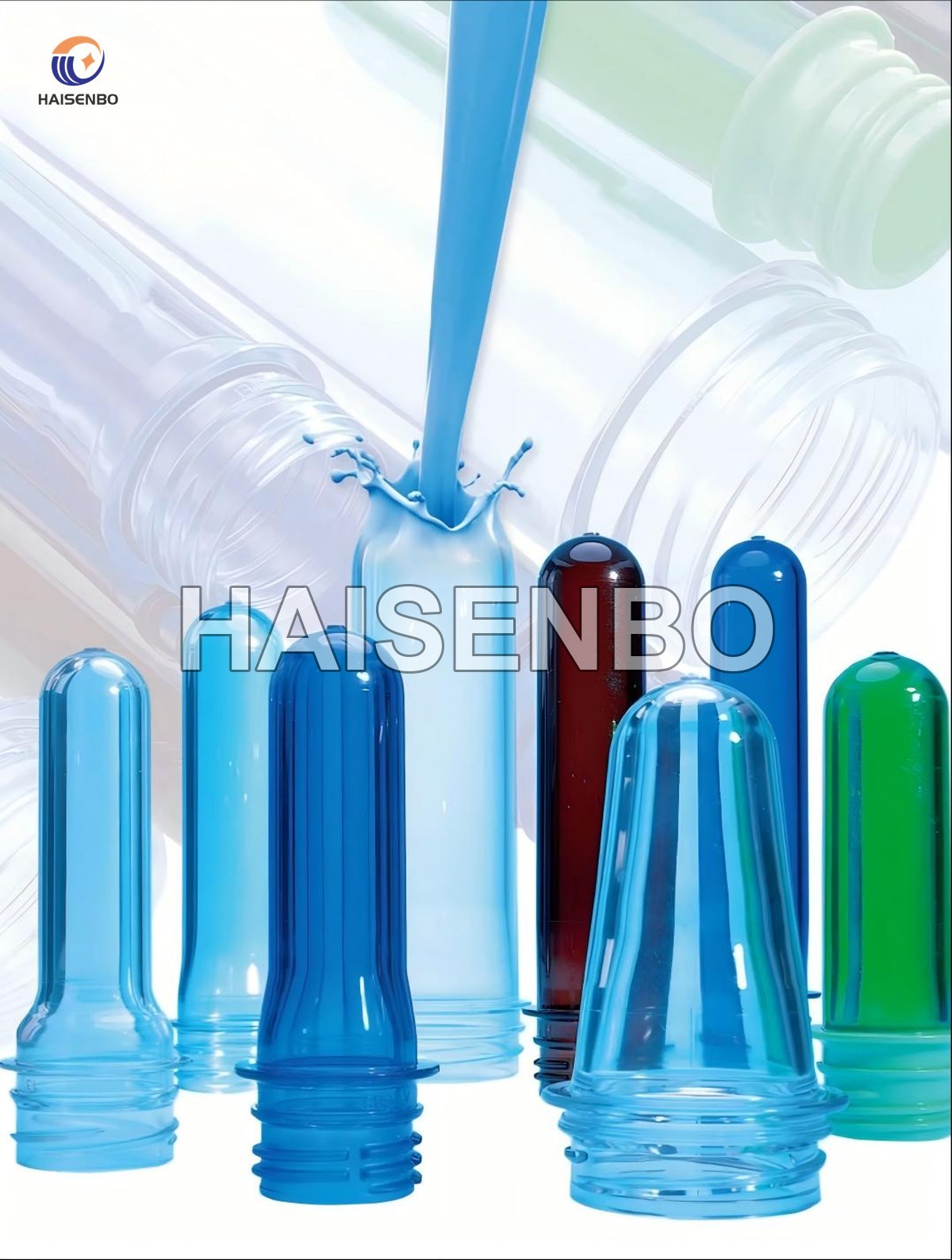
1. Cavity Number: Match Output, Not the Sales Pitch
Cavity count decides how many preforms you make per cycle. More cavities = more output per machine, but also a bigger, pricier mold and tighter demands on your injection machine's clamp force and plasticizing capacity.
Use your daily or monthly volume to work backward:
| Daily output need | Typical cavity choice | Best for |
|---|---|---|
| Pilot / R&D, low volume | 2 – 8 cavities | Sampling, market testing |
| Small–medium production | 16 – 32 cavities | Regional bottlers |
| High-volume water & CSD | 48 – 72 cavities | National brands |
| Ultra-high-speed lines | 96 cavities | Mega plants, 2-step systems |
At Haisenbo our PET preform molds run from 2-cavity development tools up to 96-cavity high-speed production molds on one proven platform, so you can scale without re-learning the system. A multi-cavity injection mold only pays off if your upstream PET drying, machine tonnage and cooling water are ready for it — we size the mold to your real line, not a brochure number.
Rule of thumb: choose the smallest cavity count that meets your required output with ~15% headroom. Over-cavitating is the #1 reason small buyers end up with a mold their machine cannot run efficiently.
2. Material: PET Grade and Mold Steel
Two "materials" matter — the plastic you mold (PET) and the steel your mold is cut from.
PET resin
Most preforms are virgin PET (sometimes with up to 30% rPET for sustainability programs). The mold must handle the resin's fairly high molding temperature and its sensitivity to moisture, which is why drying and a balanced hot runner matter more than people expect.
Mold steel
This is where cheap molds and high precision injection molds diverge. Low-cost tools use general-purpose steel that wears fast; cores and cavities drift out of tolerance within months. We machine cores and cavities from S136H / 2344 (or customer-specified alloys) and heat-treat them for long service life.
| Component | Typical steel | Why it matters |
|---|---|---|
| Cavity & core | S136H / 2344 | Wear resistance, polishability |
| Slide & wear parts | Nitrided / beryllium copper | Heat dissipation, friction |
| Structural plates | P20 / 4140 | Stability under clamp force |
Result: our preform molds are rated for 3,000,000+ shots — the difference between a tool you replace and a tool you rely on for years.
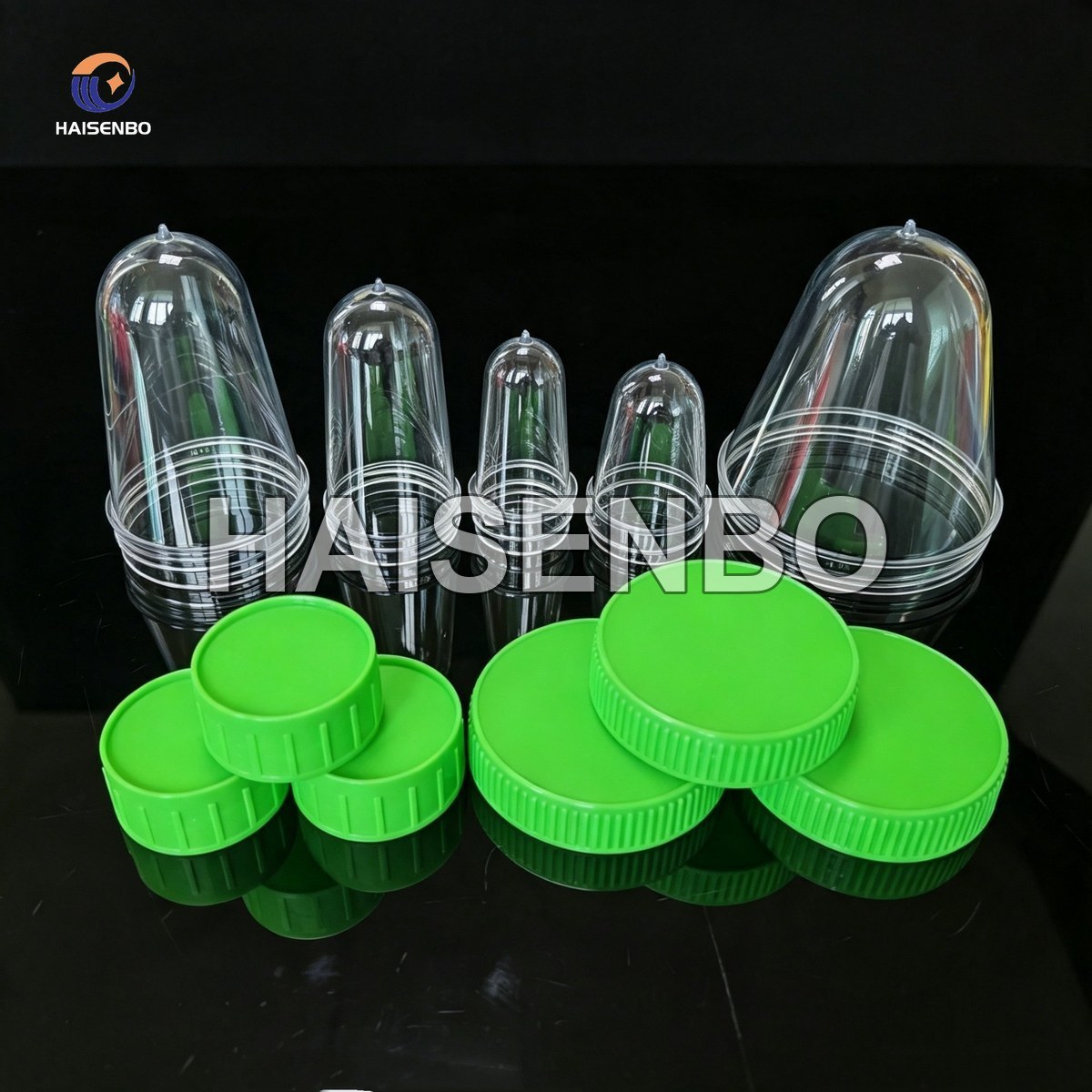
3. Tolerance: The Quiet Driver of Every Bottle
Dimensional tolerance is the spec most buyers underestimate and every bottler feels. A preform that is 0.02 mm off in neck finish will leak, jam the capper, or fail the thread gauge. We control critical dimensions to ±0.005 mm through CNC-machined cores/cavities and CMM verification.
What tight tolerance buys you:
- Consistent preform weight — less PET per bottle, real material savings at scale.
- Uniform wall thickness — fewer blow defects, stronger bottles.
- Thread accuracy — caps seal first time, every time.
- Interchangeability — preforms from any cavity fit the same cap and blow mold.
4. Hot Runner & Valve Gate: Where Cycles Are Won
A balanced hot-runner with valve gates is what lets a high precision injection mold deliver clean gate marks with no stringing and even fill across all cavities. Our proprietary valve-gate system keeps cycle times as low as 15 seconds on high-output lines, and because cooling channels are optimized per cavity, you get repeatable quality shift after shift.
If a supplier cannot tell you their hot-runner brand, gate type and cavity-to-cavity weight variation, treat it as a red flag — those details are exactly where performance is won or lost.
5. A Quick Buyer's Checklist
- Volume first: size cavities to your real output + 15% headroom.
- Steel grade: insist on S136H / 2344 for cores and cavities.
- Tolerance: ask for a written ± value and a CMM report.
- Hot runner: confirm valve-gate type and cavity balance.
- Compatibility: match Husky / SIPA / SIDEL / Krones systems if needed.
- Support: pick a maker with trial reports, spares and after-sales.
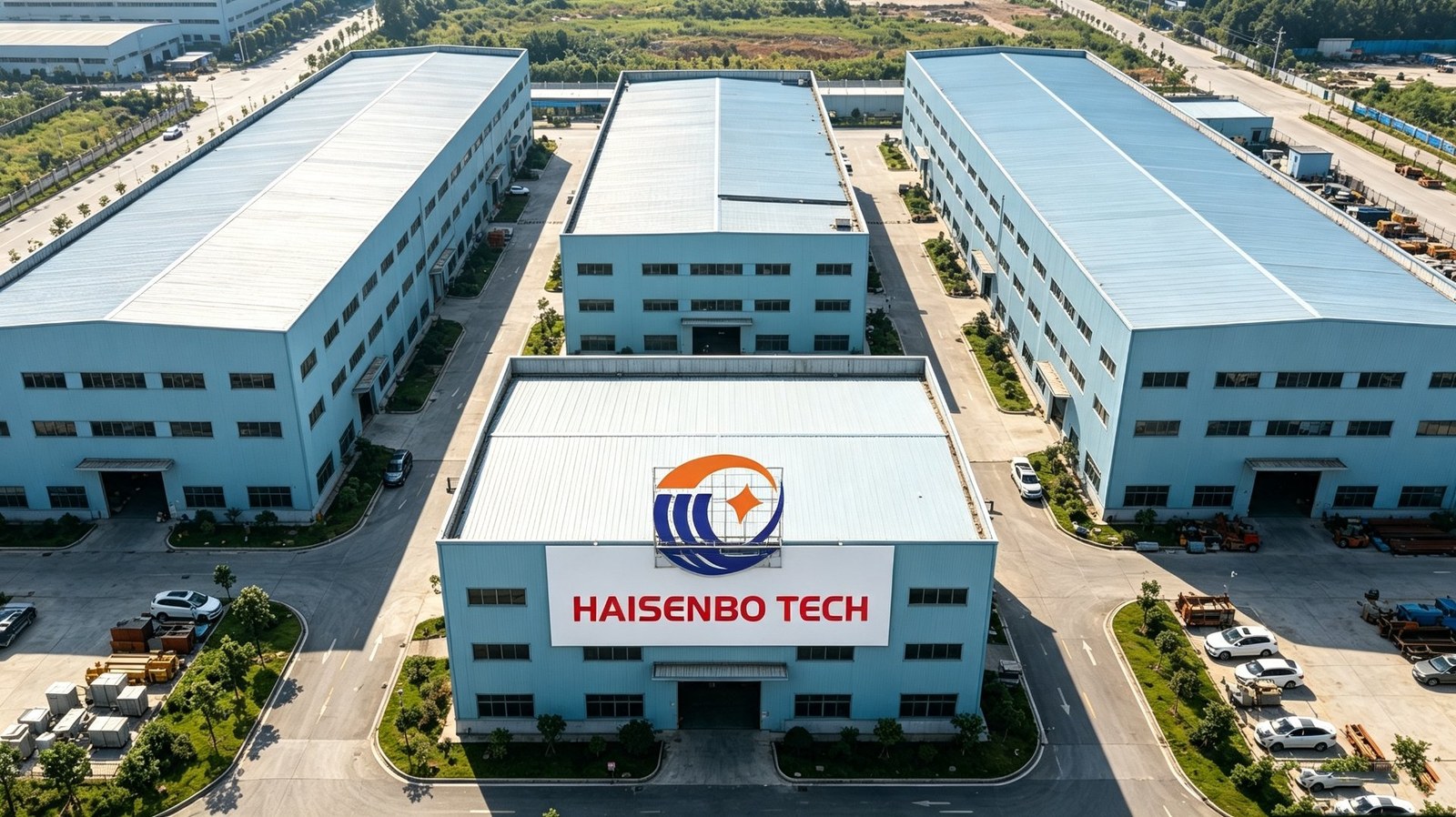
With 30+ years and 10,000+ molds delivered to 60+ countries, Haisenbo builds PET preform molds and high precision injection molds as production tools — not catalogue parts. See our factory or browse all products.
Choosing well up front is cheaper than fixing a bad mold later. If you want a second opinion on cavity count or steel for your specific bottle, reach out for a free quote — our engineers usually respond within 24 hours.